
Muscle Testing: asking the body for answers
A gentle, non-invasive way to ask your subconscious simple yes-or-no questions — and follow the answers to the deepest root cause of what you’re dealing with.
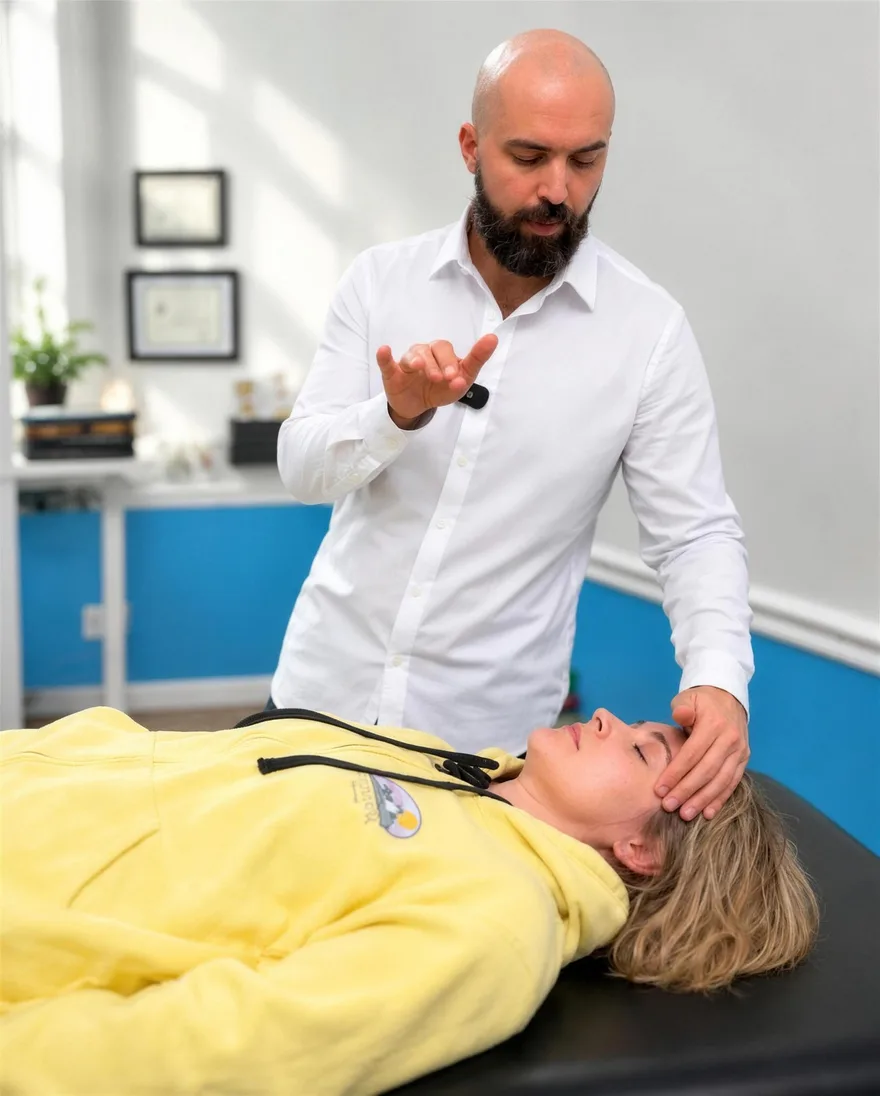
Strong means yes. Weak means no.
Muscle testing asks your body yes-or-no questions. If the muscle being tested stays strong, the answer is yes; if it goes weak, the answer is no. Dr. Bain strings these questions together, one answer at a time, slowly distilling the problem down to its deepest origin.
Because it uses questions instead of pressing on reflex points, muscle testing can explore things that have no reflex point at all — emotions, past events, beliefs and mental programming. That makes it far more precise at finding the exact reason someone is struggling, whether it’s chronic anxiety or chronic pain.
Why self muscle testing?
Dr. Bain is fully trained in traditional arm testing and used it early in his career. Over time he found self muscle testing faster and more accurate, so it’s how he tests every client today.
Testing the client’s muscles
Questions about muscle testing
Is muscle testing a gift?
It’s the first thing many people ask. For Dr. Bain it took thousands of hours and years of practice — and anyone willing to put in the time can learn to muscle test themselves and others. He teaches it in his workshops.
How does muscle testing work?
There are many theories, from the subconscious acting like a yes-or-no computer to quantum entanglement. Dr. Bain sees it as a give-and-take between two subconscious minds — and personally believes it’s a gift given to help people heal. Whatever the mechanism, it works the same way every time.
Does it hurt?
No. Muscle testing is gentle and non-invasive. With self muscle testing, Dr. Bain tests on his own hands, so you can simply relax.
Is muscle testing a medical diagnosis?
No. Muscle testing is not a diagnosis and is meant to complement — not replace — care from your medical provider. Please don’t stop any medication or treatment without talking to your doctor.
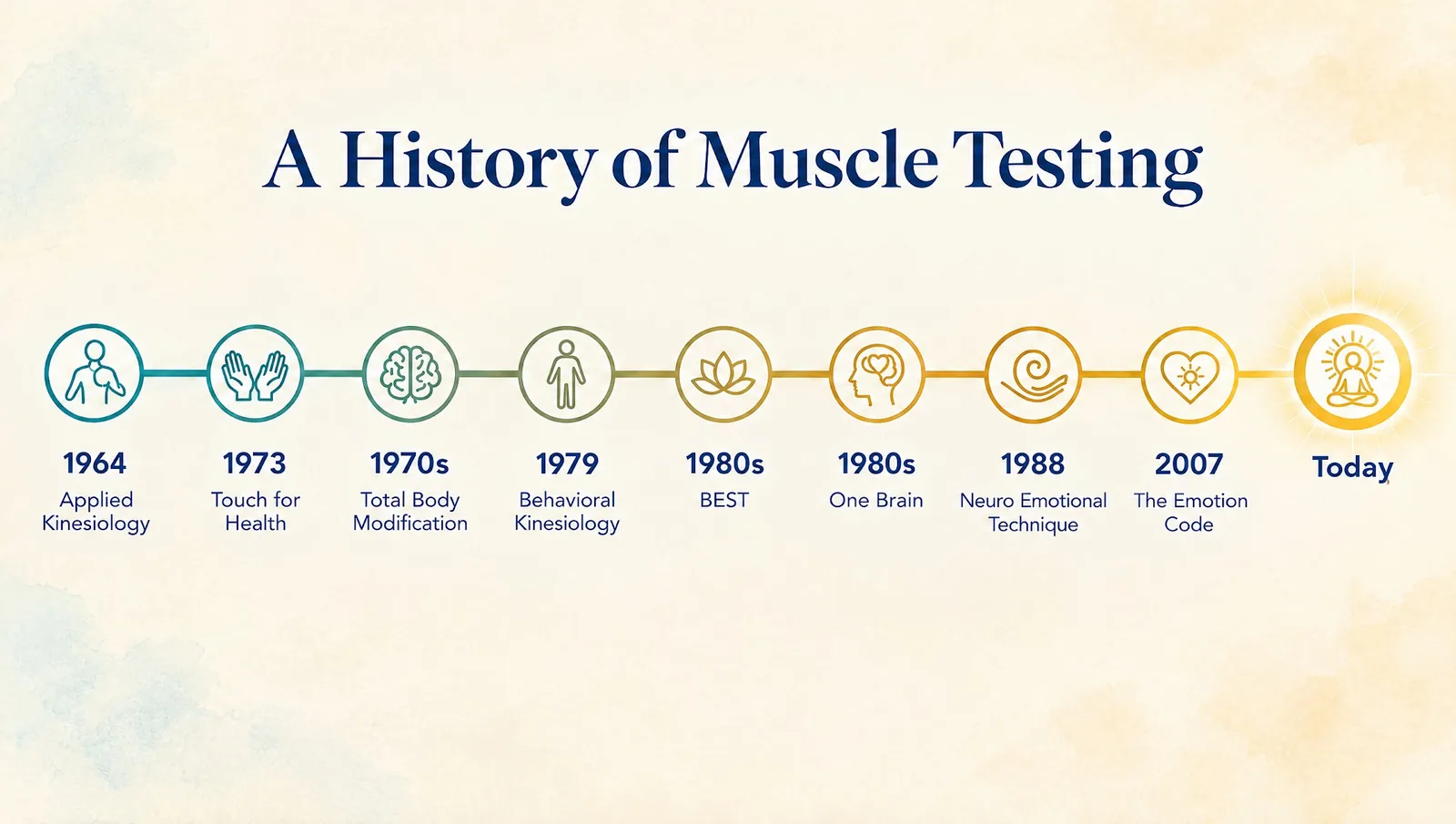
Let your body do the talking
In the office in Surprise, AZ, or over Zoom from anywhere.