
#1 Chiropractor Surprise AZ
Unlock Your Potential
transcending traditional healing methods
Our Chiropractic Services in Surprise AZ
The Full Spectrum of Holistic Health Solutions
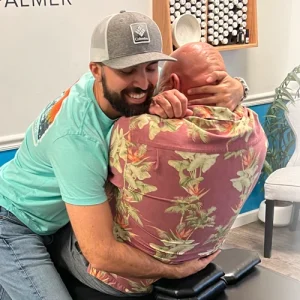
Chiropractic Care
Chiropractic treatment for pain in the neck, back, muscles, and joints, as well as providing relief for disc-related issues.

Emotional Healing
Release trapped emotions and heal trauma with two powerful healing modalities - Emotion Code and Body Code.

Nutritional Guidance
Safe, non-invasive nutritional intervention allows the body can heal itself, creating optimum health and wellness.

Cold Laser Therapy
Harness the power of advanced red-light technology with Class IV cold laser therapy to promote deep tissue healing, speed up recovery, and improve overall health.
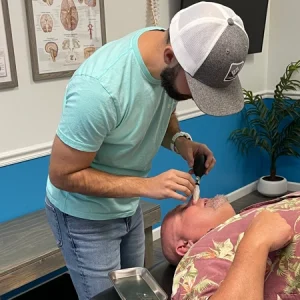
Endonasal Correction
Alleviate chronic head and facial symptoms with endonasal correction, which realigns facial bones and reduces spinal cord tension for lasting relief.
our methods and core values
What sets us apart from other Chiropractors in Surprise, AZ
Addressing the Root Cause of Your Pain
At SpringBack Chiropractic, we unlock your health's potential by addressing the root cause of your issues, specializing in ABC Chiropractic Bodywork and The Body Code energy work, transcending traditional healing methods.
Promoting Wellness and Alignment
We excel in chiropractic adjustment, expert vertebrae rehabilitation, and extremity mobilization. Focusing on relieving neck, back, muscle, and joint pain, we promote wellness through posture alignment and subluxation treatment.
Our Comprehensive Approach
Our comprehensive approach addresses the root cause to physical, chemical, and emotional reasons the body breaks down, underlining our commitment to your spine health and overall wellness, preparing you to spring back into the life you deserve.
Our Commitment to You
From pain relief to increased energy and a better mood- You're in good hands
Drawing upon the potency of advanced spinal health techniques, we stand as pioneers in chiropractic adjustments, concentrating on alleviating discomfort stemming from the neck, back, muscles, and joints. Our adept manipulation of vertebrae and mobilization of extremities strive to radiate a sense of well-being from within, diminishing not only blood pressure and headaches, but also embracing challenges like fatigue, stress, anxiety, and depression. This comprehensive approach ensures a holistic healing experience.
Our all-encompassing strategy extends to encompass headache and migraine relief, as well as addressing conditions such as whiplash, herniated discs, sciatica, scoliosis, carpal tunnel syndrome, arthritic conditions, muscular spasms, and sports-related injuries through adept therapeutic interventions.
By promoting overall wellness and delivering methodologies to mitigate stress and anxiety, our aspiration is to establish an environment where pain ceases to hinder you. This empowers you to rebound into life’s richness with a rejuvenated, resilient body and a revitalized state of mind.
“My first session was AMAZING!”
– Nicholas, Actual Patient
Meet the Chiropractor Surprise AZ
Dr. Bain - Surprise, AZ's Holistic Chiropractor

Dr. Bain is an Arizona-based healer who addresses all aspects of health concerns. He was diagnosed with multiple sclerosis at the age of 21, which forced him to drop out of college and focus on his health. He learned about natural health therapy and made radical lifestyle changes, which drastically improved his MS. He graduated with honors and started chiropractic college but realized traditional chiropractic methods were not working. After years of research, he discovered the origins of spinal issues and came across a technique called Advanced Biostructural Correction, which shared the same chiropractic conclusions.
Specializing in Advanced Biostructural Correction treatment, Nutrition Response Testing, and the Emotion Code & Body Code Techniques, Dr. Bain has made it his life’s mission to help individuals achieve optimum health and wellness. Dr. Bain is well-versed in three vital categories: structure, nutrition, and energy. This knowledge equips him with the necessary tools to address the diverse needs of any patient who seeks his help.
The value of ABC Chiropractic
How Chiropractic Care can help you
Addressing the Root Causes of Ineffectiveness
Advanced Biostructural Correction (ABC™) technique has made groundbreaking discoveries about why regular chiropractic care may not yield desired results for many patients. One pivotal discovery is that bones of the spine often misalign forwards, and ABC™ focuses on adjusting them backwards to restore proper alignment, helping to relieve blood pressure and alleviate headaches and fatigue caused by stress. Additionally, the body develops scar tissue within the spine, which binds the bones and the nervous system together, limiting the effectiveness of traditional chiropractic methods. This scar tissue can contribute to feelings of anxiety and depression as it affects the body's natural flow of energy. By addressing these underlying issues, ABC™ offers a holistic approach to healthcare, promoting overall well-being and healthy living.
Tackling Misalignments and Scar Tissue
ABC™ technique stands out as the only chiropractic approach that directly addresses these two crucial issues. Bones become stuck forward because there are no muscles or combinations of muscles capable of correcting them in that direction, leading to increased blood pressure and headaches due to the misalignment of the spine. The observation that muscles of the back are parallel to the spine explains why traditional chiropractic outcomes can be unpredictable, causing fatigue and stress for patients who often struggle to move beyond their initial complaint. By incorporating ABC™ adjustments into our services, we aim to not only restore proper alignment but also alleviate anxiety and depression, promoting overall well-being and healthy living for our patients.
Unlocking the Potential for Ongoing Spinal Changes
To address the scar tissue within the spine, ABC™ practitioners perform maneuvers known as meningeal releases. These meningeal releases involve full-body stretches designed to release scar tissue and alleviate blood pressure, headaches, and fatigue, promoting continued positive changes in the spine that extend beyond the initial complaint. By releasing the scar tissue and addressing issues related to stress, anxiety, and depression, the spine gains the ability to adapt and transform, supporting ongoing improvement in overall spinal health and function. Our commitment to your well-being extends beyond simple adjustments; we strive to create a platform for healthy living, allowing you to experience the full benefits of an optimally aligned spine and a revitalized body and mind.
Chiropractic FAQ
How does ABC Chiropractic differ from traditional?
Diverging from traditional methodologies, ABC Chiropractic sets itself apart by meticulously targeting the foundational triggers of misalignments. It places particular emphasis on rectifying forward misalignments and addressing the presence of scar tissue, factors that have the potential to trigger elevated blood pressure and persistent headaches.
Central to our approach is the acknowledgement of the intricate interplay between muscles and bones within the body. This recognition stems from the understanding that the back’s musculature runs parallel to the spine. This parallel orientation can inadvertently induce weariness, heightened stress, bouts of anxiety, and even a sense of melancholy, as the musculature struggles to adequately counteract forward misalignments.
With a profound comprehension of these complexities, we extend a more holistic strategy for remediation. ABC Chiropractic strives to offer an anticipatable and efficacious remedy. This encompassing approach is geared towards bolstering total spinal well-being and fostering an optimal state of bodily health.
This commitment remains consistent in addressing concerns spanning from headaches and migraines to issues like whiplash, herniated discs, sciatica, scoliosis, carpal tunnel syndrome, arthritic discomforts, muscular spasms, and injuries resulting from sports activities. Through meticulous therapeutic techniques, we endeavor to pave the way for enduring relief and sustained recuperation.
What is the primary focus of ABC Chiropractic compared to traditional methods?
ABC Chiropractic focuses on identifying and addressing the root causes of misalignments and spinal issues. Traditional chiropractic often focuses on symptom relief without necessarily delving into the underlying causes of the problem.
How does ABC Chiropractic differ in addressing misalignments?
ABC Chiropractic recognizes that bones of the spine can misalign forward, which is a crucial distinction from traditional chiropractic. While traditional methods may focus on adjustments in various directions, ABC Chiropractic specifically targets and corrects these forward misalignments.
What unique aspect of spinal health does ABC Chiropractic recognize?
Another significant difference is the acknowledgment of scar tissue formation within the spine in ABC Chiropractic. Traditional methods may primarily focus on spinal adjustments without specifically targeting scar tissue. ABC Chiropractic employs meningeal releases, which are full-body stretches designed to release scar tissue and promote ongoing spinal changes.
Chiropractic Care in Action
See the power of ABC Chiropractic techniques
As a Chiropractor in Surprise AZ at Springback Chiropractic, our core belief revolves around empowering the body’s inherent healing capacities through precise spinal alignment, targeted pain relief, and adept adjustment techniques. Our mastery in manipulating bones, muscles, and ligaments, encompassing methods like joint cracking and knuckle adjustments, enables us to effectively address concerns linked to joints and tissues, consequently fostering an overarching state of well-being and supporting a lifestyle marked by health.
Our proficiency extends to not only mitigating blood pressure, headaches, and fatigue but also to assuaging the grip of stress, anxiety, and depression. This comprehensive effort propels individuals towards a transformative expedition toward enduring well-being. Our holistic framework for wellness surpasses mere adjustments. It encompasses a deliberate focus on rehabilitating injuries and treating subluxations, thus ensuring a comprehensive array of services tailored to our esteemed patients.
The success stories of countless individuals who have found relief and resolution through ABC Chiropractic reflect our commitment. Whether dealing with headaches, migraines, whiplash, herniated discs, sciatica, scoliosis, carpal tunnel syndrome, arthritic discomforts, muscular spasms, sports-related injuries, or the need for therapeutic interventions, our offerings stand as a guiding light. We guide individuals on a trajectory of natural recovery and an enhanced sense of well-being.
Back & Neck Pain
knee pain
Seizures
car accident injuries
Vertigo
Surprise, AZ patient Reviews
See what our patients have to say
"Dr. Bain is the best doctor I have ever been to in my years of searching." ⭐️⭐️⭐️⭐️⭐️
Steve Payne | Surprise, AZ
What Our Patients Say
Dr Bain is AWESOME! I appreciate how present and grounded he is as he listened to, and asked about all my issues. His empathy, made me feel heard and cared for. He made some observations and recommendations towards my path to healing. I am so grateful.🙏 I was so happy when I walked out after my first session. I f…
Dr. Bain and his staff are breath of fresh air. After my first appointment and after seeing several specialists over the years without much results for chronic food and Airborne allergies. I feel this maybe what I've been missing to be able to sustain a better quality of life.
I decided to try Springback Chiropractic due to an ongoing chronic condition that had not responded to treatment. Dr. Bain has brought me to a place of healing that I did not think possible. I am so very grateful.
My whole experience has been exceptional. Dr. Bain uses very unique techniques to help heal physically and mentally. My rating is a 10 +.
Dr. Bain was recommended to me by a friend. I had low back pain that lingered for a month. Neither physical therapy or multiple massages helped. A back X-ray showed nothing structural that would cause my pain. I spent an hour with Dr. Bain and my pain reduced substantially during the visit. Now several days after m…
Visit the Office of Chiropractor Surprise AZ Near Me
We offer state-of-the-art chiropractic care out of a modern, clean office on Bell Rd, just off Highway 60 between Surprise Stadium and Hillcrest Golf Club. We’re looking forward to meeting you!
visit us
Monday 9:00am-1pm & 3pm-5:30pm
Tuesday 9:00am-1pm & 3pm-5:30pm
Wednesday 9:00am-1pm & 3pm-5:30pm
Thursday 9:00am-1pm & 3pm-5:30pm
Friday Closed
Saturday Closed
Sunday Closed
schedule your appointment
reclaim the health you deserve
get started on your wellness journey today
